Stain Removal in Everyday Life: Smart Methods for Cleaner Fabrics, Surfaces, and Homes
Stain removal is one of those household tasks that seems simple until you are staring at a fresh spill on a favorite shirt, couch, carpet, or countertop. The good news is that effective stain removal does not always require harsh chemicals or expensive specialty products. With the right approach, a little speed, and a few practical techniques, you can tackle many common stains before they become permanent. Whether you are dealing with coffee, wine, grease, ink, mud, makeup, or pet accidents, stain removal becomes much easier when you understand what caused the mark and how different materials react.
For homeowners, renters, parents, pet owners, and busy professionals, stain removal is more than a cleaning chore. It is a way to protect clothing, furniture, flooring, and other valuables from long-term damage. The best results usually come from quick action, careful testing, and choosing the right cleaning method for the surface. In this article, you will learn practical stain removal strategies, safe cleaning steps, and useful tips for common household stains. You will also discover when it makes sense to handle a stain yourself and when professional help may be the better option.
Good stain removal is also about prevention. Small habits like blotting instead of rubbing, using coasters, treating spills immediately, and keeping a basic cleaning kit nearby can save you time and money. By the end, you will have a clear understanding of how stain removal works on fabrics and surfaces, plus the confidence to manage everyday messes with less stress.
Why Stain Removal Matters for Homes and Businesses
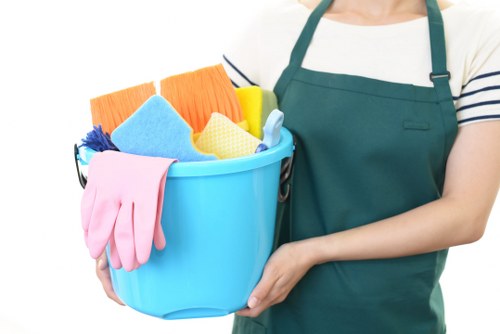
Stain removal matters because stains are often more than just visible marks. They can weaken fibers, leave odors, attract dirt, and make a space feel less clean even when the area has been washed. In homes, stain removal helps preserve clothing, upholstery, carpets, and hard surfaces. In workplaces, it supports a polished appearance and helps maintain a professional environment. A small spill ignored today can become a stubborn stain that requires far more effort later.
Different stains behave differently, which is why stain removal is rarely one-size-fits-all. A protein-based stain such as blood or dairy should be treated differently from an oil-based stain like butter or salad dressing. Dye-based stains from coffee, tea, wine, and juice also need careful handling. The better you understand stain types, the more successful your stain removal efforts will be.
Another reason stain removal is important is cost savings. Replacing rugs, upholstery, clothing, and soft furnishings can be expensive. Timely stain removal can extend the life of household items and reduce waste. It is also a key part of maintaining comfort and hygiene, especially in spaces with children, pets, or frequent visitors.
Understanding the Basics of Stain Removal
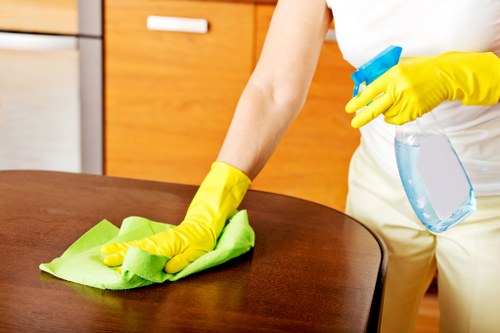
Before starting any stain removal process, it helps to know the four most important factors: the stain type, the material, the age of the stain, and the cleaning method. A fresh stain is usually easier to remove than a set-in stain. Delicate fabrics require gentler handling than durable ones. Porous surfaces like fabric, carpet, and grout absorb stains more deeply than sealed surfaces like glass or polished metal.
Stain removal works best when you act fast. The longer a stain sits, the more likely it is to bond with the surface. Liquids may soak in, oils may spread, and pigments may settle into fibers. That is why blotting up excess liquid immediately is often the most important first step in stain removal.
You should also always test cleaning products in an inconspicuous area before applying them more broadly. This is especially important for stain removal on wool, silk, leather, suede, natural stone, or dyed fabrics. A cleaner that works beautifully on one surface may discolor or damage another.
Common Stain Types and How They Behave
Stain removal becomes more effective when you identify the nature of the stain. While there are many variations, most household stains fall into a few broad categories.
- Protein stains: blood, egg, dairy, sweat, and animal messes
- Oil-based stains: grease, butter, cooking oil, cosmetics, lotion
- Tannin stains: coffee, tea, wine, juice, cola
- Dye stains: ink, marker, colored drinks, makeup pigments
- Organic stains: mud, grass, food spills, pet accidents
Each category needs a slightly different stain removal strategy. For example, oil-based stains respond better to absorbent powders and degreasing agents, while tannin stains often need water-based treatment and careful lifting. Knowing the difference can prevent accidental spreading and improve your results.
Set-in stains may also require multiple steps. A stain removal method that works for a fresh spill may not be enough for a stain that has dried for days. Patience and repetition often make a major difference.
It is also helpful to remember that some stains are heat-sensitive. Applying hot water or heat too early can lock certain stains into fabric. In stain removal, temperature matters almost as much as the cleaning product.
Step-by-Step Stain Removal Process for Most Surfaces
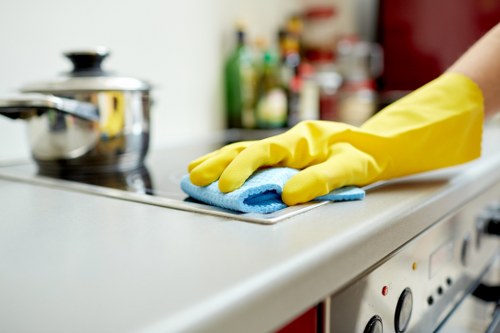
Although every stain is different, there is a reliable stain removal process that works in many situations. Start by removing any excess material from the surface. Use a spoon, dull knife, or paper towel to lift solids gently without spreading the stain. Next, blot the area with a clean cloth or absorbent towel. Do not rub aggressively, because rubbing can push the stain deeper into fibers and make it larger.
After blotting, apply the appropriate cleaning solution for the stain type and material. Use only as much as needed. Over-wetting fabric or carpet can cause the stain to spread or create water marks. Once the cleaner has had time to work, blot again with a fresh cloth. Repeat the process if necessary. If the item is washable, rinse or launder according to care instructions after the stain appears to be lifting.
Finally, allow the area to dry completely and inspect it in good light. Some stains look gone while wet but reappear as the surface dries. If any residue remains, repeat the stain removal process before drying with heat, because heat can permanently set some stains.
Blotting vs. Rubbing: Why Technique Matters
Blotting is one of the most important stain removal techniques because it lifts moisture and stain particles away from the surface. Rubbing may seem helpful, but it often causes the stain to spread and damages fabric fibers. In carpets, rubbing can distort the pile and create a worn patch. In upholstery, it can push the stain deeper into the cushioning. In stain removal, gentle pressure usually works better than force.
Use a clean white cloth or paper towel when blotting. Colored towels can transfer dye, especially if a cleaning solution is involved. Work from the outside of the stain toward the center when possible, which helps contain the spread. For larger spills, replace the blotting material frequently so you are not reapplying the stain.
Good stain removal is often about patience, not power. Slow, steady blotting and repeated treatment usually outperform rough scrubbing.
Useful Supplies for a Stain Removal Kit
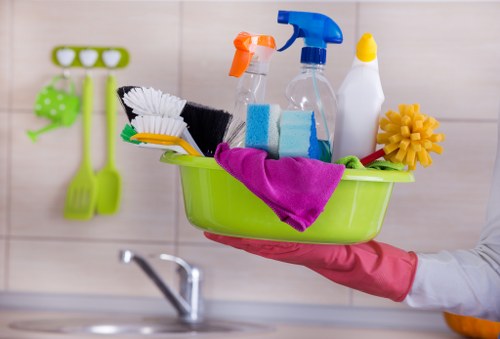
Keeping a small cleaning kit nearby can make stain removal much easier. A well-stocked kit does not need to be expensive. It just needs a few versatile items that work on a range of common stains.
- Clean white cloths or microfiber towels
- Paper towels
- Soft-bristled brush
- Spray bottle with water
- Baking soda
- White vinegar
- Dish soap
- Hydrogen peroxide
- Rubbing alcohol
- Enzyme cleaner for organic stains
These items can cover many stain removal tasks, from kitchen spills to clothing accidents. However, always use them carefully and according to the surface type. A product that works on one material may not be safe on another.
Stain Removal on Clothing
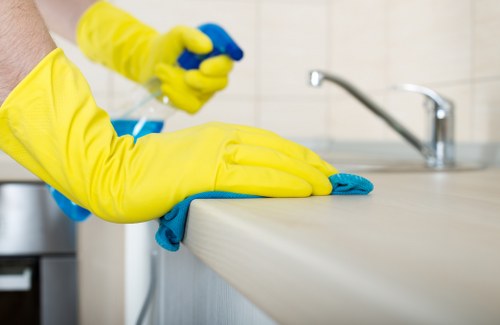
Clothing is one of the most common places people need stain removal. Shirts, pants, dresses, uniforms, and workout clothes all encounter spills and marks. The key to successful stain removal on clothing is speed. If possible, treat the stain before washing and avoid tossing stained items into a hot dryer. Heat can make many stains impossible to remove later.
For food and beverage stains, start by blotting the area and rinsing from the back of the fabric if possible. This helps push the stain out rather than deeper in. Apply a small amount of liquid detergent or a suitable stain remover and let it sit briefly before washing. For grease stains, use dish soap or a grease-fighting cleaner to break down the oil before laundering.
For delicate garments, such as silk or wool, stain removal should be handled with extra care. Use cool water and mild products, and avoid scrubbing. When in doubt, professional cleaning may be the safest choice. Delicate fabrics can be damaged easily, so cautious stain removal protects both appearance and texture.
Common clothing stains include:
- Coffee and tea
- Red wine
- Ink and pen marks
- Grease and oil
- Grass and mud
- Makeup and deodorant marks
Each of these stain removal tasks may require a different product and timing, but the basic principle stays the same: treat early, test first, and wash carefully.
How to Handle Set-In Clothing Stains
Set-in stains are more challenging, but they are not always permanent. Soaking the garment in cool water with a stain-fighting detergent can help loosen dried residue. For stubborn marks, repeated stain removal treatments may be necessary before laundering. Some people find that gently working detergent into the stain with their fingers or a soft brush improves results.
If a stain has already been through the dryer, take extra care. You may need a stronger pre-treatment or a longer soak. Still, avoid mixing chemicals indiscriminately. Safe stain removal depends on using compatible products and following label instructions carefully.
Tip: Keep a stain treatment pen or spray in your laundry area for fast action when accidents happen.
Stain Removal on Carpets and Rugs
Carpet stain removal requires quick action because carpet fibers and backing can absorb liquid fast. Start by blotting up as much of the spill as possible. Then use a cleaning solution suited to the stain type. For many fresh spills, a mix of mild dish soap and water can work well. Apply lightly, blot, and repeat until the stain lifts. Avoid soaking the carpet, because excess moisture can damage the backing or create mold issues.
For pet stains, stain removal should also address odor. An enzymatic cleaner can break down organic material and reduce lingering smells. For wine, coffee, or juice, a gentle vinegar-and-water solution may help lift the discoloration. For mud, let it dry first, then vacuum or scrape off the residue before beginning stain removal.
Rugs made from wool, silk, or other natural fibers may need specialized treatment. Some cleaners can cause fading, shrinkage, or texture changes. If you are unsure, test a hidden area first or consider professional stain removal services for valuable rugs.
When cleaning carpet stains, keep these steps in mind:
- Blot immediately
- Work from the edges inward
- Use minimal liquid
- Rinse gently if needed
- Dry the area thoroughly
Stain Removal on Upholstery and Furniture
Upholstery stain removal requires caution because furniture fabrics vary widely. Some pieces are made from synthetic materials that tolerate cleaning well, while others use delicate blends that need a softer touch. Before applying any cleaner, check the manufacturer’s care label. This step can save you from discoloration or fabric damage.
For upholstered furniture, blot first and avoid over-saturating the area. Foam cleaners, mild soap solutions, and specialized upholstery products are often used in stain removal. Always apply cleaner to a cloth rather than directly to the furniture if possible. This gives you better control and reduces the chance of spreading the stain.
Leather furniture requires a different stain removal approach. Use products designed for leather and avoid excessive water. For suede, dry methods and specialized brushes are usually safer than liquid cleaners. In both cases, prompt action improves results and helps preserve the texture of the material.
Extra care for furniture stains
Because upholstery often has padding underneath the visible fabric, stains can travel deeper than expected. This is why stain removal on furniture sometimes seems successful at first, only for the spot to reappear later. Thorough blotting and drying reduce this risk. If needed, use a fan to help the area dry faster.
Stain Removal on Kitchen and Bathroom Surfaces
Kitchens and bathrooms often need stain removal for a different reason: these spaces face frequent exposure to food, soap scum, cosmetics, mineral deposits, and moisture. Hard surfaces are usually easier to clean than fabric, but they still require the right method. Tile, sealed stone, laminate, glass, and stainless steel each respond differently to cleaners.
For counters and sinks, a mild soap solution can handle many everyday stains. For tougher marks, baking soda paste or a surface-safe cleaner may help. On grout, stain removal may require scrubbing with a soft brush and allowing the cleaner to sit briefly. Always avoid abrasive materials on polished surfaces, because scratching can create new problems.
Bathroom stain removal often includes soap residue, toothpaste marks, rust spots, and hard water stains. Vinegar-based solutions are popular for some mineral deposits, but they are not safe for all stone surfaces. Always check whether the material is sealed and acid-safe before using vinegar or acidic cleaners.
Stain removal in kitchens and bathrooms works best as part of routine maintenance. Wiping spills quickly, drying wet areas, and cleaning regularly can keep stains from becoming recurring issues.
Safe Stain Removal Tips for Different Materials
Not all surfaces tolerate the same stain removal products. Choosing the wrong cleaner can be just as damaging as leaving the stain alone. Here are a few material-specific reminders that can help:
- Cotton: generally durable, but colored dyes may fade if treated too aggressively
- Wool: use gentle cleaners and cool water
- Silk: handle carefully and test first
- Leather: keep moisture low and use leather-safe products
- Carpet: blot heavily and avoid oversaturation
- Stone: avoid acidic cleaners unless the surface is confirmed safe
- Wood: use minimal liquid and dry quickly
Stain removal is safest when you understand the surface as much as the stain. A good cleaner in the wrong place can lead to fading, swelling, etching, or discoloration. This is why product labels matter and why testing is so important.
Never mix cleaning chemicals unless the product instructions specifically say it is safe. Some combinations can create dangerous fumes or reduce effectiveness.
Natural and DIY Stain Removal Methods
Many people prefer natural stain removal methods because they are affordable and easy to find at home. Baking soda, vinegar, salt, and dish soap are often used in DIY cleaning routines. These methods can be effective for light to moderate stains, especially when used correctly.
Baking soda can help absorb moisture and neutralize odors, making it useful for fresh spills and fabric stain removal. Vinegar can help with certain tannin and odor-related stains, though it should be avoided on acid-sensitive surfaces. Dish soap is effective for grease and oil because it breaks down residue. Salt can help absorb liquid from fresh wine spills or similar stains, though it should not be relied on as a complete solution.
DIY stain removal works best when matched to the stain. It is important not to assume that a natural product is automatically safe for all materials. Even gentle-looking ingredients can damage delicate surfaces if used too heavily or too often. The smartest approach is to use only what is needed and follow up with proper rinsing or drying.
When Professional Stain Removal Is the Better Choice
Sometimes the best stain removal strategy is to call in a professional cleaner. This is especially true for valuable rugs, antique upholstery, delicate fabrics, large carpet spills, severe pet accidents, or stains that have already set deeply. Professionals often have specialized equipment and products that can remove stains more effectively while minimizing damage.
Professional stain removal may also save time when you have multiple affected areas or a stain that keeps returning after home treatment. If a stain is large, unknown, or paired with structural damage like mold or water intrusion, expert help can prevent the problem from worsening.
Another advantage of professional stain removal is consistency. Experienced cleaners know how to evaluate stains, select treatment methods, and avoid common mistakes such as over-wetting, using too much chemistry, or applying heat too soon.
If you have already tried several safe methods without success, it may be time to book your service now and let trained specialists handle the issue.
Preventing Future Stains Before They Happen
Prevention is one of the smartest parts of stain removal because it reduces the number of emergencies you face. Simple habits can make a big difference in keeping homes and clothing cleaner for longer. Use placemats, coasters, and protective sprays where appropriate. Treat fabrics with fabric protectors if recommended for the material. Clean spills immediately rather than waiting until later.
In high-traffic areas, choose stain-resistant materials when possible. Wash linens regularly, clean upholstery as needed, and keep a small stain kit in the kitchen, laundry room, or car. These steps make stain removal less stressful because you are ready before an accident occurs.
Here are a few easy prevention habits:
- Blot spills right away
- Keep cleaning cloths within reach
- Do not eat or drink over delicate fabrics if you can avoid it
- Check garment care labels before treatment
- Address odors quickly to prevent lingering issues
Smart Mistakes to Avoid During Stain Removal
Even with good intentions, people sometimes make mistakes that make stain removal harder. One common error is using too much product. More cleaner does not always mean better results. Another mistake is scrubbing aggressively, which can damage fibers and spread the stain. Using the wrong water temperature is also a frequent issue, especially with protein stains.
Avoid drying a stained item before you are sure the mark is gone. Heat can permanently set many stains, making them much harder to remove later. Also avoid mixing cleaning products unless the label clearly allows it. When in doubt, keep the process simple and controlled.
Effective stain removal is not about using the strongest product first. It is about using the right method in the right order.
Final Thoughts on Stain Removal
Stain removal is a practical skill that saves time, money, and frustration. Whether you are treating clothing, carpet, upholstery, or hard surfaces, the same core ideas apply: act quickly, identify the stain, choose a safe method, and avoid unnecessary force. With these habits, stain removal becomes less intimidating and far more successful.
From coffee spills and grease spots to pet accidents and ink marks, many everyday stains can be handled at home with the right tools and approach. And when a stain is too large, too stubborn, or too delicate to handle alone, professional cleaning may be the most reliable solution. The important thing is not to wait too long.
If you are ready to protect your fabrics and surfaces, take action early. Contact us today or book your service now to get the right help when stain removal becomes a challenge.