Insurance and Safety
 Our commitment to insurance and safety is built on practical protection, careful planning, and a clear responsibility to every person involved in our work. Whether a project is large or small, we recognise that safe operations depend on more than equipment alone. They depend on people, process, and the confidence that comes from being properly covered. That is why our approach combines public liability insurance, staff training, personal protective equipment, and a thorough risk assessment process designed to reduce hazards before work begins.
We understand that safety and insurance are closely connected. A strong safety culture helps prevent incidents, while robust cover provides reassurance if the unexpected happens. This balanced approach supports clients, staff, visitors, and the wider public. It also ensures that every task is carried out with professionalism and accountability, reflecting our wider standard of care.
Our liability insurance is arranged to protect against claims that may arise from accidental damage or injury linked to our activities. It forms an essential part of our operational framework and supports responsible service delivery. In practice, this means we can work with confidence while maintaining focus on prevention, compliance, and the wellbeing of everyone around us.
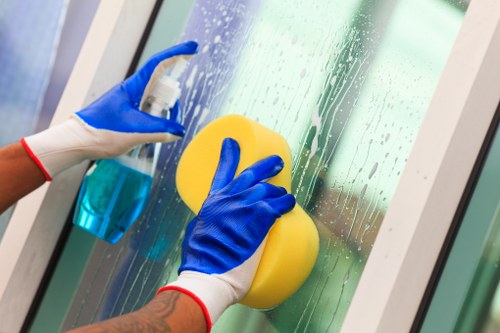 Staff training is one of the most important elements of our safety management. Every team member receives relevant instruction before taking part in work, and training is refreshed to keep knowledge current. This includes safe working methods, emergency response awareness, manual handling, site awareness, and correct use of tools and equipment. Training is not treated as a one-off event; it is an ongoing process that helps build a culture where safe practice becomes second nature.
Public Liability Insurance and Responsible Protection
Our public liability insurance is there to support protection in situations where third-party injury or property damage may occur. While prevention is always the priority, having appropriate cover is a key part of operating responsibly. It demonstrates that we take our obligations seriously and that we have considered both the practical and financial aspects of safe working. This is especially important when work takes place in shared or public environments where many variables may be present.
Training, Supervision, and Everyday Safety
 Good supervision supports good outcomes. Team leaders monitor work practices, reinforce safe behaviours, and ensure that standards are followed consistently. Where tasks involve additional complexity, extra oversight is provided so that controls remain effective. By combining training with supervision, we create a safer working environment and strengthen confidence in our overall insurance and safety approach.
PPE plays a crucial role in reducing risk. Depending on the task, this may include high-visibility clothing, gloves, eye protection, helmets, face coverings, safety footwear, or other specialist items. Personal protective equipment is selected to suit the job and the conditions, and staff are instructed on how to wear, inspect, and maintain it correctly. We view PPE as an important final layer of defence, supporting other control measures rather than replacing them.
The correct use of personal protective equipment is reviewed regularly so that protection remains effective. Damaged, unsuitable, or poorly fitted items are replaced without delay. This attention to detail helps ensure that every worker has the best possible protection while carrying out their duties.
Our risk assessment process is central to everything we do. Before work starts, hazards are identified, the level of risk is evaluated, and suitable control measures are put in place. This may include isolating hazards, adjusting methods, setting boundaries, improving communication, or increasing supervision. Risk assessments are practical documents that guide decision-making and help turn safety principles into daily action.
Where circumstances change, assessments are reviewed and updated. Weather, access conditions, equipment changes, or unexpected site issues can all affect risk levels. By keeping the process flexible and responsive, we make sure our workplace safety measures stay relevant and effective. This also supports compliance with legal duties and strengthens our commitment to responsible operations.
 We also maintain a reporting culture that encourages the early identification of concerns. Near misses, faults, and unsafe conditions are taken seriously, because timely reporting helps prevent accidents and improve future practice. This approach reinforces a broader safety framework in which learning and prevention are valued at every stage.
 Our wider approach to insurance and safety is based on preparation, accountability, and continuous improvement. By combining public liability cover, regular staff training, appropriate PPE, and a clear risk assessment process, we create a dependable system of protection. This helps reduce uncertainty, supports safer working conditions, and demonstrates our dedication to quality and care.
Ultimately, safety is not a single action but an ongoing commitment. Every assessment, briefing, and protective measure contributes to a more secure environment for everyone involved. With the right systems in place, we can carry out work responsibly while maintaining the highest standards of professionalism and protection.